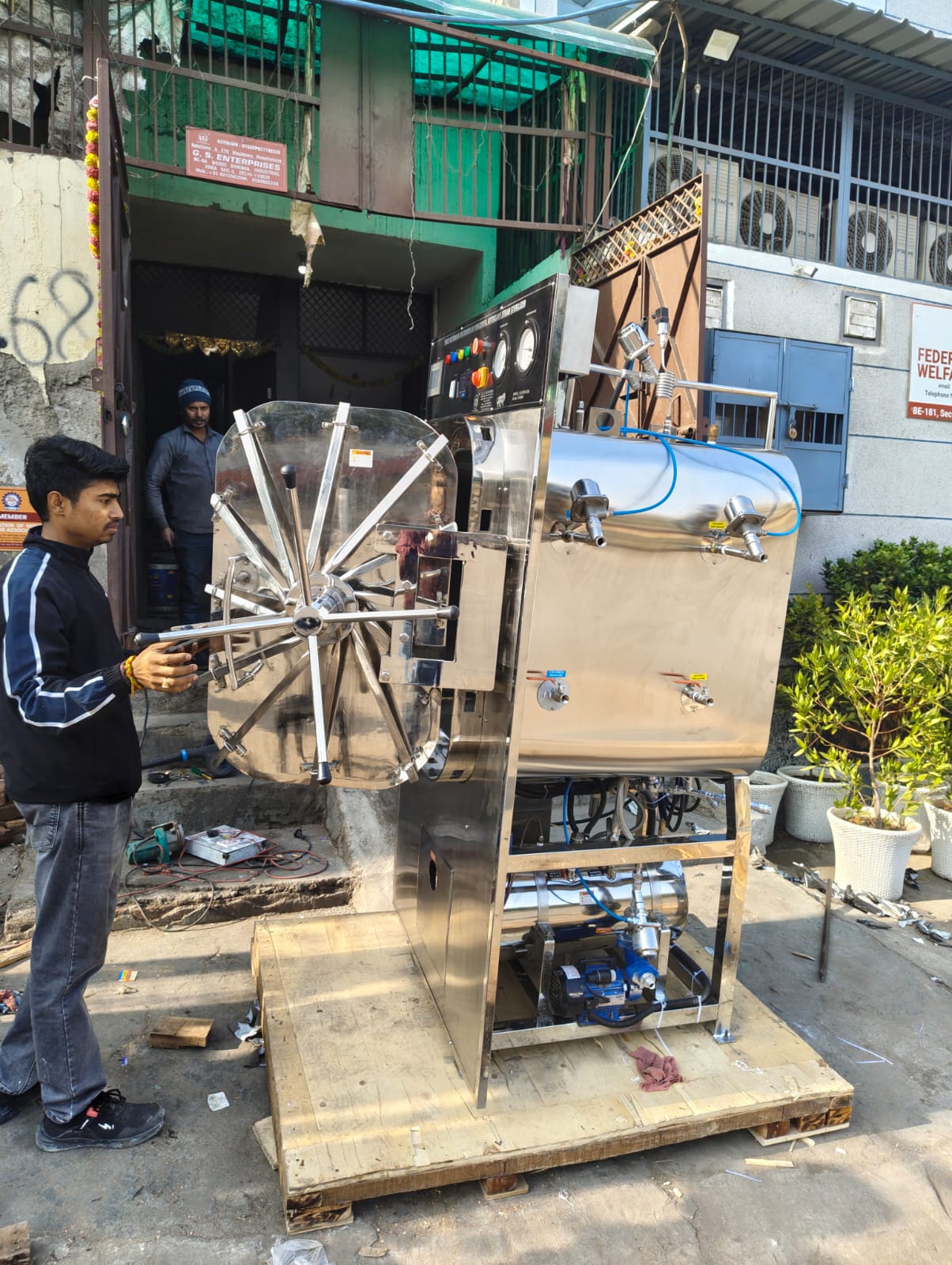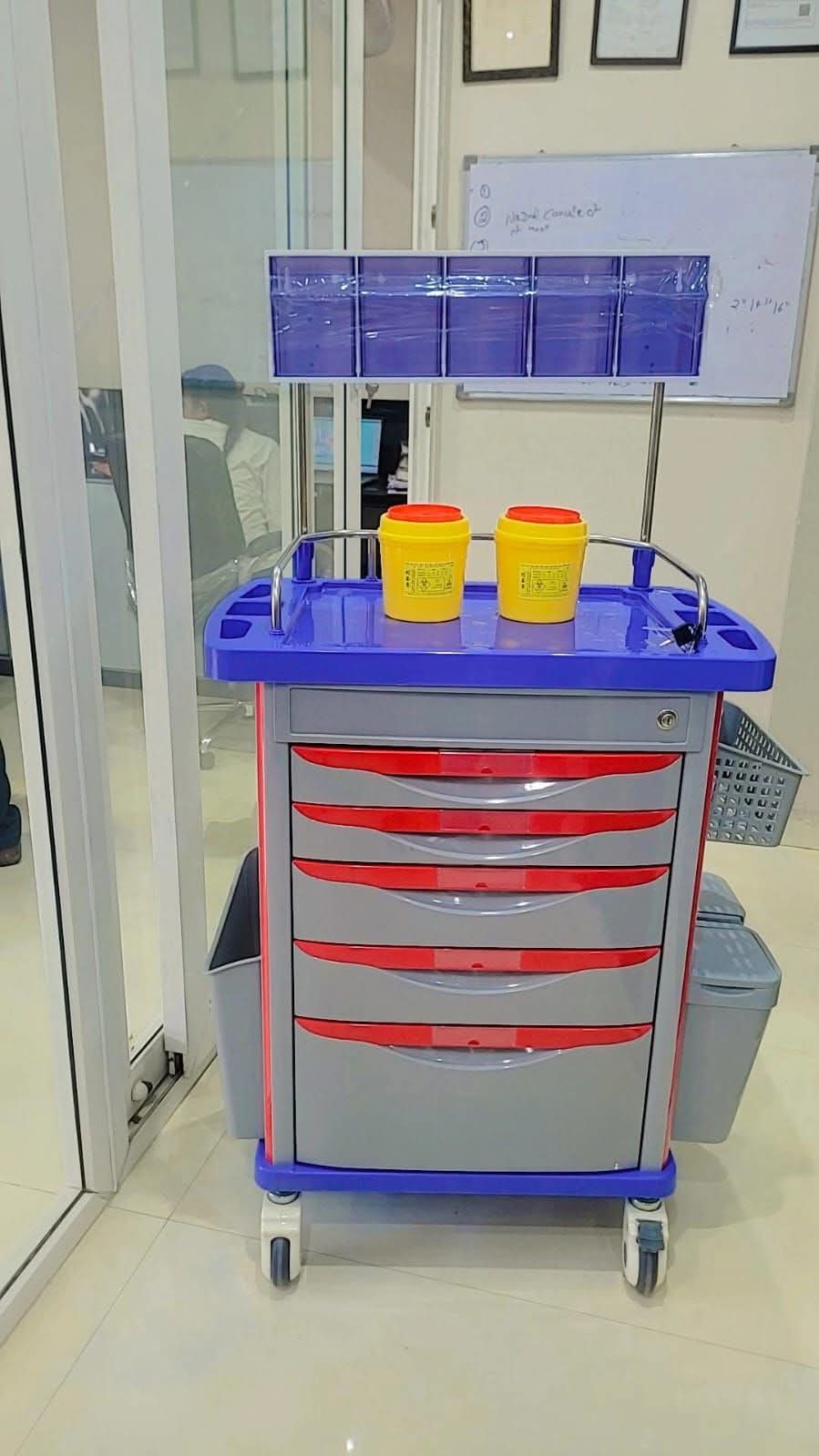
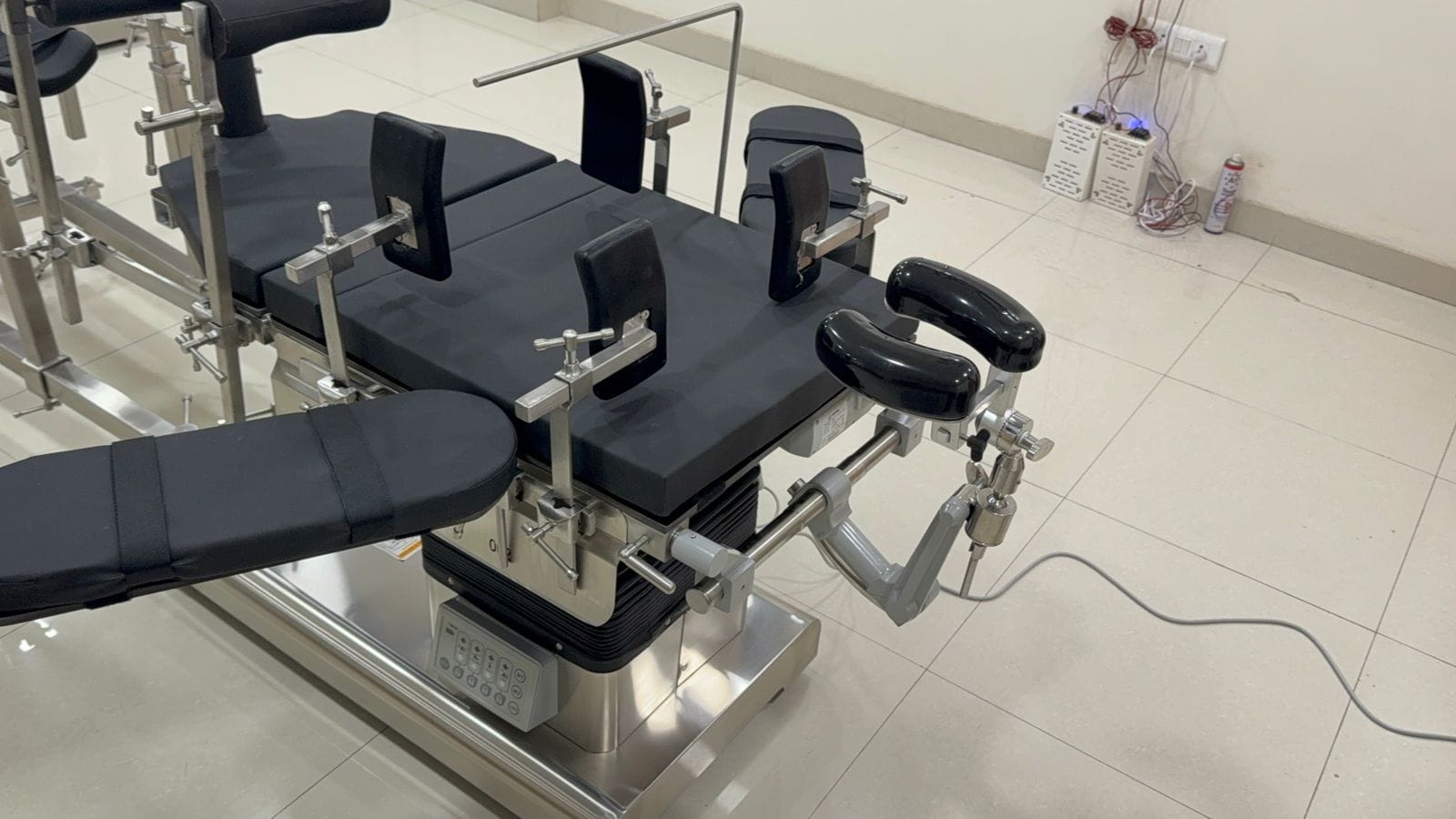

An intensive care unit is where the sickest patients receive round-the-clock care. Getting the equipment mix right — and integrating it into a coherent, infection-controlled space — is essential for safe critical care.
Core Equipment
Every ICU bed should be a self-contained life-support station. At minimum, that means:
- ICU ventilator with invasive and non-invasive modes
- Multi-parameter patient monitor (ECG, SpO2, NIBP, temperature)
- Electric ICU bed with position control
- Infusion and syringe pumps
- Bedhead panel with oxygen, air, and vacuum outlets
Central Monitoring
A central nursing station that networks every bedside monitor lets staff observe all patients at once and respond instantly to alarms. This is a cornerstone of modern ICU design.
In critical care, seconds matter. Central monitoring turns a room full of individual monitors into one coordinated safety net.
— Radha Rani Team
Infrastructure & Infection Control
Beyond devices, an ICU needs the right environment: adequate air changes, antibacterial surfaces, isolation capability, and reliable power backup.
- 12–15 air changes per hour with HEPA filtration
- Seamless, easy-to-clean flooring and wall panels
- Dedicated isolation bays for infectious cases
- 100% power backup for all life-support systems
Bringing It Together
A modular ICU integrates all of the above into a single, workflow-optimised space. Radha Rani Medical Equipment System designs and installs complete ICU units tailored to your bed count and specialty.